
Wildfire Smoke: Protecting Your Health Amidst the Haze
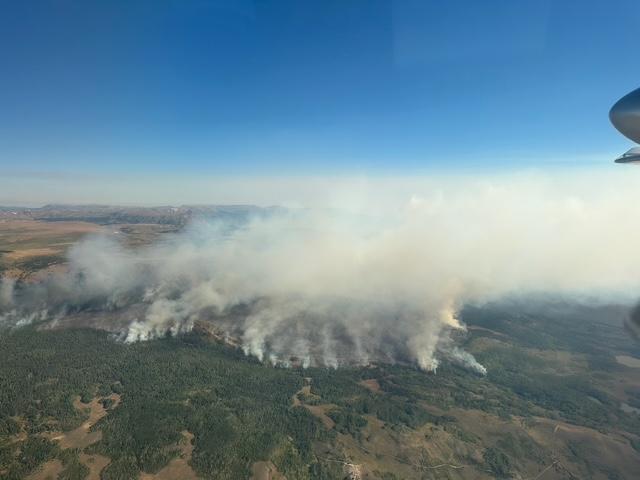
As wildfire season intensifies across the UK and beyond, the immediate dangers of flames are clear. However, a less visible but equally concerning threat lurks in the air: wildfire smoke. This hazy shroud carries a cocktail of harmful pollutants that can significantly impact human health, affecting everyone from those with pre-existing conditions to perfectly healthy individuals.
Understanding the Risks
Wildfire smoke isn't just a nuisance; it's a complex mixture of gases and fine particulate matter (PM2.5). PM2.5 is particularly dangerous because it can penetrate deep into the lungs and even enter the bloodstream. The composition of the smoke varies depending on what's burning – vegetation, buildings, and even plastics – but common pollutants include carbon monoxide, nitrogen oxides, volatile organic compounds (VOCs), and tiny particles that can trigger a range of health problems.
Who's Most Vulnerable?
While everyone is at risk, certain groups are more susceptible to the adverse effects of wildfire smoke:
- Children: Their lungs are still developing, and they breathe more air per pound of body weight than adults.
- Older Adults: They may have pre-existing respiratory or cardiovascular conditions.
- Individuals with Respiratory Conditions: Asthma, COPD, bronchitis, and other lung diseases can be exacerbated by smoke exposure.
- People with Cardiovascular Disease: Smoke can trigger heart attacks, strokes, and other cardiovascular events.
- Pregnant Women: Exposure to air pollution during pregnancy has been linked to adverse birth outcomes.
Common Health Effects
The health effects of wildfire smoke can range from mild discomfort to serious medical emergencies. Common symptoms include:
- Eye irritation
- Nose and throat irritation
- Coughing and wheezing
- Shortness of breath
- Headaches
- Fatigue
More severe effects can include asthma attacks, bronchitis, pneumonia, heart attacks, and strokes. Long-term exposure to wildfire smoke has also been linked to increased risk of respiratory infections and even lung cancer.
Protecting Yourself and Your Family
During periods of heavy wildfire smoke, taking precautions is essential:
- Monitor Air Quality Reports: Regularly check air quality indices (AQI) in your area. The UK’s Department for Environment, Food & Rural Affairs (DEFRA) provides real-time air quality information.
- Stay Indoors: When air quality is poor, stay indoors as much as possible.
- Improve Indoor Air Quality: Close windows and doors, and use air purifiers with HEPA filters.
- Avoid Strenuous Activity: Reduce outdoor exercise and physical exertion.
- Wear a Mask: If you must go outside, wear a well-fitting N95 or FFP2 mask. Surgical masks offer limited protection.
- Consult a Doctor: If you experience any concerning symptoms, seek medical attention.
Looking Ahead
With climate change contributing to more frequent and intense wildfires, understanding the health risks associated with smoke exposure is crucial. By taking proactive steps to protect ourselves and advocating for policies that address climate change and wildfire prevention, we can mitigate the impact of these events on public health. Staying informed and prepared is key to navigating the challenges of wildfire season and safeguarding our well-being.

;Resize=620)


