
Rising AI Demand Could Double US Data Center Power Needs by 2030
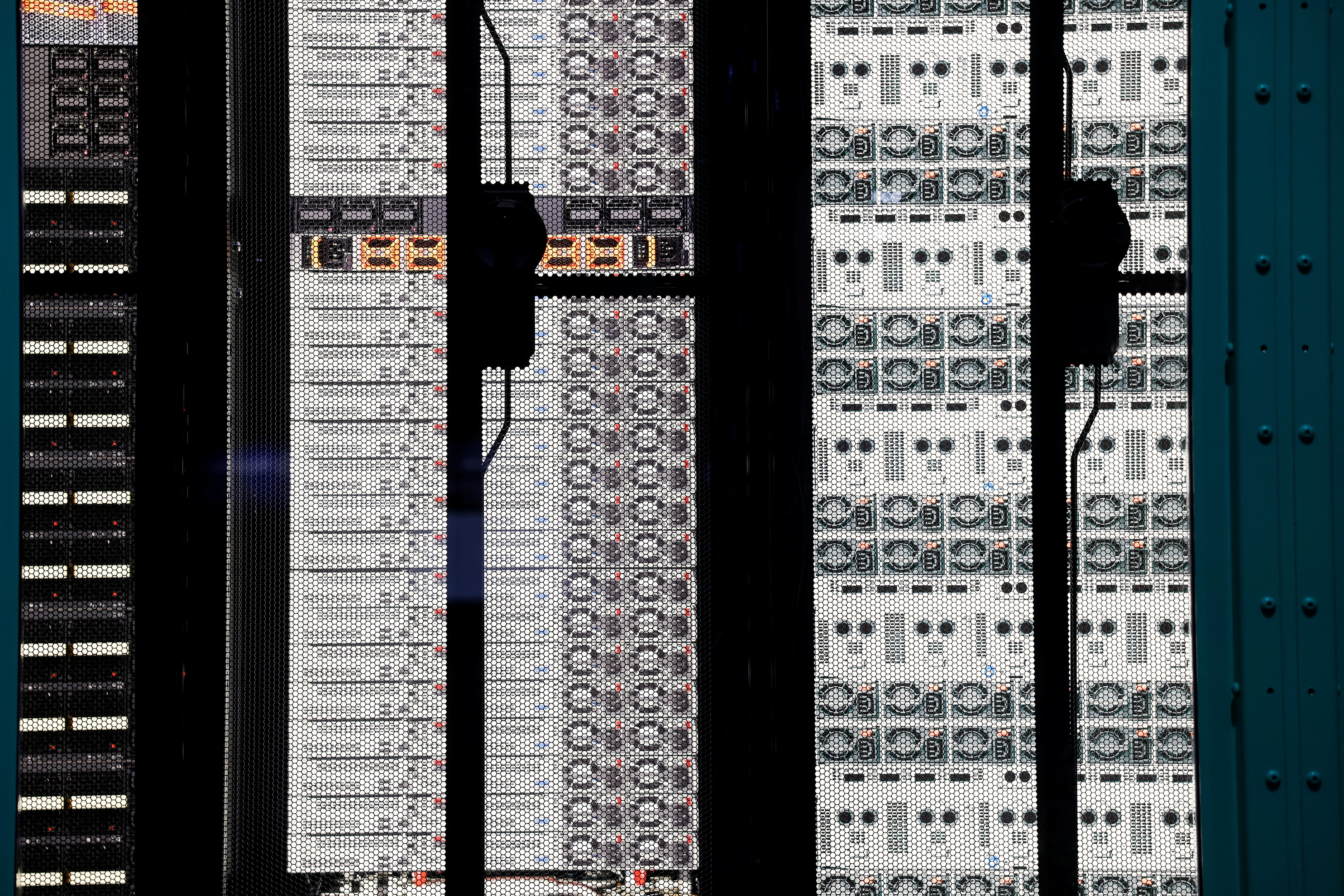
US data center electricity demand is projected to more than double by 2030, creating a significant power bottleneck for the growing AI industry.
The Shift from Compute to Capacity
For years, the primary limitation on artificial intelligence development was the availability of advanced semiconductors and computational power. However, a new constraint is emerging that could dictate the pace of the AI revolution: the availability of electricity. As the industry scales, the bottleneck is shifting from the microscopic scale of silicon chips to the macroscopic scale of the nation's electric grid.
Current projections indicate a massive surge in energy consumption required to power the digital infrastructure behind AI. In 2023, the electricity used by data centers in the United States was estimated at roughly 167 terawatt-hours. Experts now anticipate that this demand could more than double by 2030, as the training and deployment of sophisticated AI models require increasingly massive energy footprints.
Why AI Demands More Power
The energy intensity of artificial intelligence is fundamentally different from standard web hosting or traditional cloud services. The underlying reason lies in the nature of the workloads. Generative AI and large-scale machine learning models require constant, high-intensity computation that keeps hardware running at maximum capacity for extended periods.
This intensive processing leads to several specific energy challenges:
- Hardware Intensity: High-performance accelerators, such as GPUs, are designed for extreme throughput but require massive amounts of electricity to function.
- Thermal Management: The heat generated by concentrated AI computing requires sophisticated and energy-intensive cooling systems to prevent hardware failure.
- Continuous Operation: Unlike many consumer-facing services that see fluctuations in demand, AI training cycles often demand steady, high-load power for weeks or months at a time.
Implications for the Energy Sector
This looming surge in demand presents a complex puzzle for utility companies and government regulators. The electric grid must not only find ways to generate more power but also must modernize its ability to distribute that power to data center hubs located across various regions. The rapid growth of these facilities often outpaces the development of the necessary transmission infrastructure.
Furthermore, the transition to cleaner energy sources adds another layer of complexity. While many technology companies have committed to carbon neutrality, the immediate, massive load required by AI centers often necessitates reliable, base-load power, which can be difficult to supply solely through intermittent renewable sources like wind and solar. Addressing this energy gap will be essential for the continued evolution of the artificial intelligence landscape.