
Social Media and FOMO Culture Impacting Young Adults' Finances
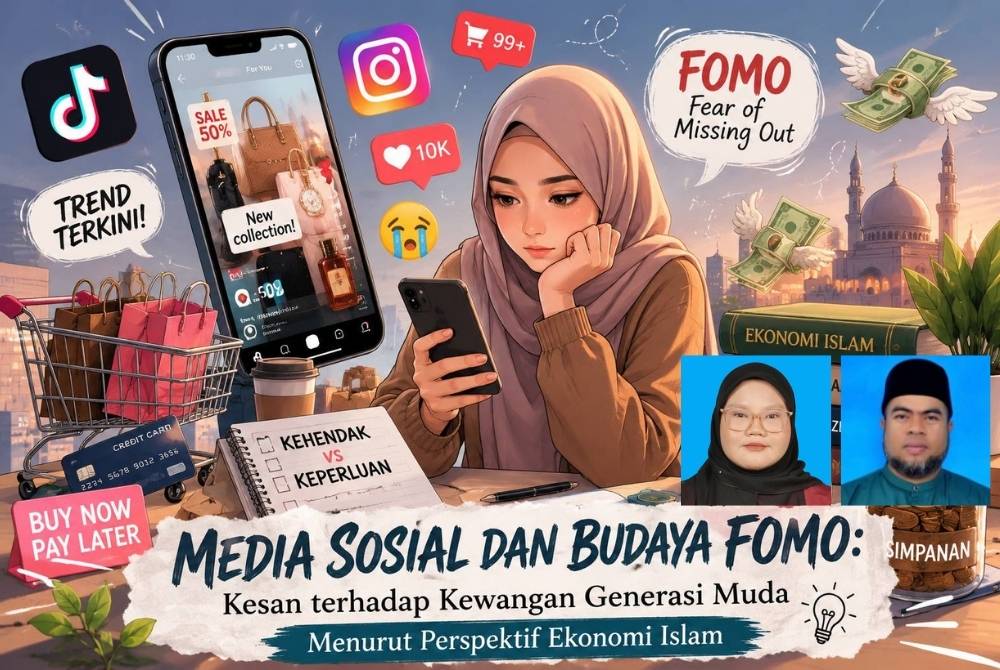
Social media and the "fear of missing out" are significantly affecting the financial stability and spending habits of today's younger generation.
The Digital Influence on Consumer Behavior
In the modern digital era, social media platforms have become deeply integrated into the daily routines of the global population, particularly among younger demographics. What began as a tool for personal connection has evolved into a continuous stream of curated lifestyles, often creating a distorted sense of reality for those consuming the content.
This constant exposure frequently leads to a psychological phenomenon known as FOMO, or the "fear of missing out." As users scroll through feeds filled with luxury travel, high-end fashion, and exclusive social events, they often experience a heightened sense of inadequacy or a perceived social requirement to participate in similar activities to maintain their status within their peer groups.
Financial Implications of Social Comparison
The pressure to keep up with rapidly changing digital trends can have profound consequences for the personal finances of young adults. The drive to replicate the idealized lifestyles seen online often manifests in several detrimental ways:
- Increased impulsive spending on non-essential consumer goods and services.
- The pursuit of "aesthetic" lifestyles that prioritize visual appearance over long-term savings goals.
- Heightened social pressure to participate in expensive activities that exceed individual budgets.
- The rise of lifestyle inflation driven by the need to match digital peer standards.
Building Financial Resilience in a Connected World
Understanding the link between digital engagement and financial health is becoming increasingly critical for the younger generation. While social media offers unparalleled connectivity and information, the psychological triggers it activates can undermine long-term economic stability and wealth building.
Navigating this landscape effectively requires a conscious effort to distinguish between genuine personal needs and the perceived needs driven by digital peer pressure. As digital culture continues to evolve, the impact of social comparison on financial decision-making remains a significant concern for educators and financial advisors alike.