
Growing Demand for Geospatial Talent to Help Shape Future Cities
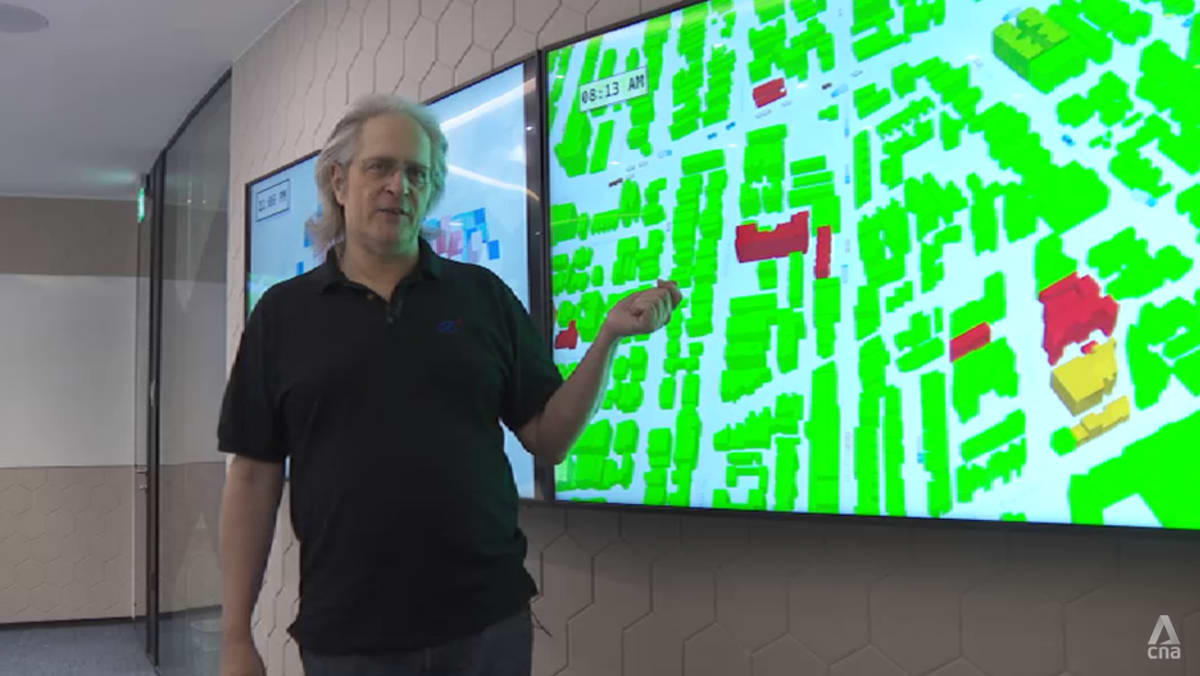
As urban planning evolves, the demand for geospatial intelligence grows to help cities manage EV infrastructure and mitigate extreme urban heat.
The rapid evolution of urban environments is driving a significant shift in how city planners approach long-term development. Geospatial intelligence—the science of gathering, analyzing, and interpreting location-based data—is emerging as a cornerstone of modern municipal strategy. As technology advances, the need for skilled professionals who can harness this data is reaching new heights.
Tackling Critical Infrastructure Needs
One of the most pressing applications for geospatial tools is the development of sustainable transportation networks. As the transition to electric vehicles (EVs) accelerates, planners must determine where to place charging infrastructure to maximize utility and efficiency. Geospatial data allows for the analysis of traffic patterns, power grid capacity, and existing driver habits, ensuring that new charging stations are placed in high-impact locations.
Beyond transportation, geospatial intelligence is a vital tool in the fight against climate change at the local level. Urban heat islands, where metropolitan areas experience significantly higher temperatures than surrounding rural areas, present a major public health risk. By using sophisticated mapping techniques, planners can identify "hot spots" and strategically implement cooling solutions, such as increased canopy cover or reflective building materials.
A Growing Specialized Workforce
This technological shift is creating a robust job market for geospatial experts. The complexity of modern datasets requires a new breed of professional—individuals who can bridge the gap between traditional urban design and advanced data analytics. As cities continue to grow and face more complex environmental and logistical hurdles, the integration of spatial intelligence will remain a vital component of building the cities of tomorrow.


